If you’re over 60 and looking to stay strong, active, and independent, strength training offers a practical, science-backed way to boost your health. Building muscle isn’t just for athletes or the young. Anyone can get started with a strength routine, and honestly, it’s pretty rewarding to feel stronger year after year. Here’s a practical guide for anyone wanting to try out strength training after 60—no experience needed, just a willingness to give it a go.
Why Strength Training Matters After 60
Muscle naturally decreases as we age, and that can lead to weakness, joint pain, and a greater chance of falls. Strength training basically hits the brakes on this process. Lifting weights or doing bodyweight movements helps preserve muscles, keeps bones sturdy, and even improves balance and posture. What’s cool is you don’t need to chase big weights or marathon workouts to get these benefits. Even simple routines gently build you up, and research has shown strength exercises improve quality of life, mobility, and confidence in older adults. It’s also a great stress-buster and can help with sleep.
Doctors and physical therapists recommend mixing in strength work two to three times a week, alongside walking or any movement you enjoy. If you’re new, it’s wise to check in with your healthcare provider first, just to make sure you’re cleared and ready to get moving.
Getting Started Safely
Kicking off a new habit is always easier with some planning. Setting up for success with strength training after 60 means focusing on safety, proper form, and picking exercises that fit your needs.
- Warm up first: Five or ten minutes walking, gentle stretching, or some light arm circles gets your blood moving and joints ready.
- Start slow: Bodyweight exercises (like squats to a sturdy chair) or resistance bands offer a gentle introduction. No heavy weights, no pressure.
- Learn proper form: Focus on controlled movements. If you’re unsure, check out free videos from physical therapists, or you can even ask a trainer at a local gym or community center for some quick pointers.
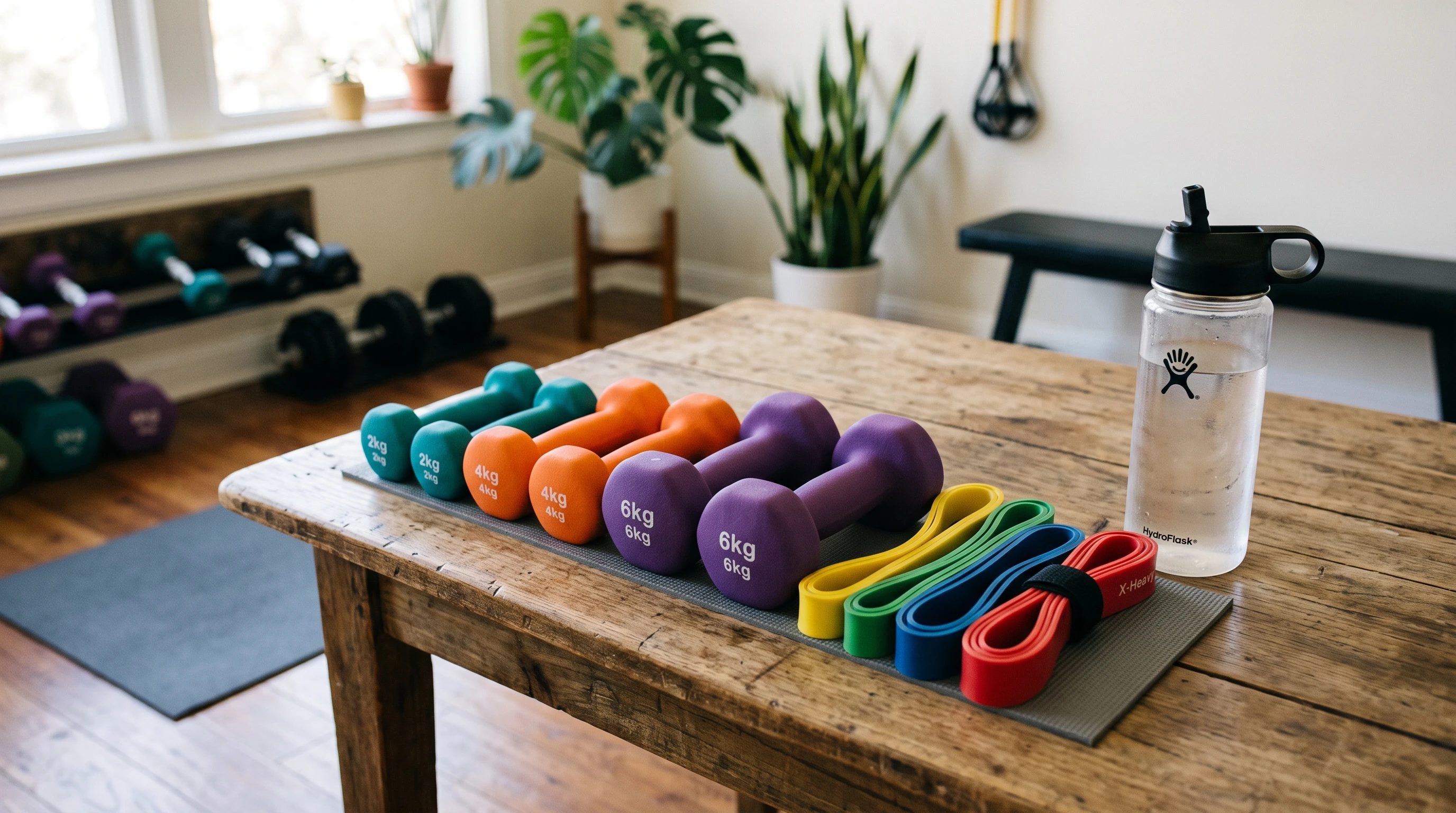
- Use manageable weights: You should be able to complete 10 to 15 reps with a bit of effort but without straining. If that means starting with soup cans or light dumbbells, that’s great.
- Build in rest: Your body needs time to recover and adapt. Training three days a week with rest in between works well for most people.
Simple Strength Exercises to Try
There’s no need to put together a complicated plan. Starting with just a handful of moves that target major muscle groups can make a big difference. Here are some of my favorite beginner friendly exercises for older adults:
- Chair Squats: Stand in front of a sturdy chair, feet hip width apart. Lower yourself until you just touch the chair, keeping weight in your heels, then stand back up. Builds leg and hip strength.
- Wall Pushups: Stand an arm’s length from a wall. Place your palms on the wall at shoulder height. Bend elbows, bringing chest gently toward the wall, then push back. It’s a shoulder and chest builder.
- Seated Bicep Curls: Sit upright holding light dumbbells or water bottles. Curl hands toward shoulders. Helps keep arms strong for carrying groceries or lifting grandkids.
- Standing Calf Raises: Hold onto a counter for balance, then rise up onto your toes and back down. Strengthens ankles and calves for better walking stability.
- Band Pull aparts: Hold a resistance band at chest height, arms straight. Pull gently until shoulder blades come together, then release. Builds back and shoulder muscles.
It’s always helpful to start with just one set of each movement, then add sets as you feel comfortable over the weeks. Write exercises down on a notepad, keep track of what you do, and give yourself credit—consistency matters far more than intensity.
Common Mistakes and How to Avoid Them
Everyone stumbles a bit when trying something new, but a few common mistakes can be dodged with a little knowhow:
- Skipping rest days can make you feel worn out or cause aches. Giving muscles a break is where the magic actually happens; they get stronger while you rest.
- Using too much weight puts stress on joints and can cause injury. Always choose weights where the last few reps feel tough, but doable.
- Poor posture, like rounding shoulders or arching your back, can strain your spine. Glance in a mirror, or film yourself to check form if possible.
- Not breathing properly makes movements harder. Try to breathe out on effort (like pushing up from a chair) and in when lowering or relaxing.
Why Safety Checks Make a Big Difference
It’s easy to get excited and want to try everything at once, but most injuries happen from rushing or ignoring small pains. Tune in to your joints. If something aches in a sharp or weird way, skip it, or modify with smaller range of motion or lighter resistance.
Checking in with a healthcare provider or physical therapist if you have arthritis, osteoporosis, or other health concerns can help you customize your routine. Many clinics and gyms also offer free intro classes for older adults to help you get started safely and confidently.
Bonus Tips to Keep Progress Going
Building a strength habit is more about consistency than intensity. The biggest gains come from showing up regularly, even if you only have 10-20 minutes per session. Here’s what’s worked for me and others I’ve chatted with:
- Pair strength training with something enjoyable, like a favorite playlist or podcast—even listening to audiobooks makes sessions fly by.
- Find a training buddy; accountability goes a long way, even if it’s just texting a friend about your session.
- Gradually increase resistance or number of sets. When a weight or band starts to feel “too easy,” try a heavier one or add another set to keep building strength.
- Track your progress by jotting down weights, sets, or even how you feel after each workout. It helps you spot improvements and motivates you to keep going.
- Switch things up every few weeks to target new muscle groups and keep things interesting.
Also, don’t forget to celebrate the little victories. Every extra rep, every heavy bag lifted at the grocery store, these are all signs your strength is growing. That feeling of accomplishment can do wonders for motivation, especially on days when you need a boost to keep going.
Mixing Strength and Mobility
Getting stronger is great, but adding in some stretching or balance exercises helps round things out. Movements like gentle yoga, Tai Chi, or even standing on one leg while holding onto a counter can help with posture and reduce the risk of falls.
Mobility work keeps joints happy and makes strength training more comfortable. Even a little simple stretching after each session can help your body recover and stay limber. Focusing on flexibility and balance will also make your strength work safer and more enjoyable in the long run.
Real Life Results and What to Expect
I’ve seen folks in their 60s, 70s, and even 80s gain noticeable confidence in their balance, energy, and physical independence after a few consistent months of simple strength routines. Tasks like climbing stairs, gardening, or picking up shopping bags get easier. There’s also a wonderful sense of accomplishment that comes from sticking with a habit and witnessing steady progress.
Don’t be surprised if it takes a few weeks to start feeling stronger or see muscles becoming more defined. Progress isn’t always dramatic at first, but those small changes add up to big, life-improving results over time. Plus, with better strength and flexibility, many people sleep better and find daily aches easing up.
If you keep at it for several months, you’ll likely spot improvements in endurance, stability, and confidence—sometimes even friends or family will notice before you do. That’s motivation in itself!
Frequently Asked Questions
Question: Can I strength train if I’ve never exercised before?
Answer: Yes, you can start at any age. Begin with bodyweight or super light weights, and gradually build up. The key is listening to your body, going at your own pace, and getting support if something feels confusing or tricky.
Question: What if I have arthritis or joint pain?
Answer: Many people find gentle strength training actually helps with joint pain by supporting the muscles around joints and reducing stiffness. Just avoid movements that aggravate your joints, and check in with your healthcare provider before starting.
Question: Are machines or free weights better for older adults?
Answer: Both work; machines offer more support and can be great for beginners, while dumbbells, bands, or even bodyweight moves build stability and balance alongside strength. Mix things up to keep your sessions engaging.
Ready to Take the First Step?
If you’re reading this and feeling a little nervous, you’re definitely not alone. Everyone starts somewhere, and every small effort adds up. With just a little perseverance, strength training after 60 can transform how you feel and move every day. Find what feels enjoyable and stick with it, even if you start small. Your future self will be glad you gave strength training a shot.