Staying active after 50 has a direct impact on both physical and mental health. Regular movement can keep joints feeling looser, mood a bit brighter, and energy at a level where everyday stuff feels easier. Once I turned 50, I realized sitting for long stretches just didn’t cut it any longer. I needed a game plan that actually fit my life. Here’s how I built an active routine, and how you can try it too without needing expensive equipment or marathon-level effort.
Why an Active Lifestyle Matters After 50
Getting older doesn’t mean slowing down completely. Staying active can help your body handle everyday tasks with less pain, lower your chances of chronic diseases, and give a boost to overall well-being. Strength and balance become even more important in your 50s and beyond, making regular movement a big part of keeping your independence.
Physical activity is shown to support healthy blood pressure, improve flexibility, and even sharpen thinking skills. Keeping active also makes social connections easier and improves mood, partly because exercise releases feel-good endorphins. Not every workout needs to be intense. Small daily efforts can add up and make life feel more satisfying.
Simple Ways to Move More Every Day
Squeezing in more movement doesn’t have to take a ton of time or completely switch up your schedule. Once I started looking for pockets of time, staying active felt a lot less overwhelming. Here are a few everyday tactics that make adding movement easier:
- Walking Before Breakfast: Getting outside for 15-20 minutes first thing helps wake me up and feels surprisingly energizing.
- Using the Stairs: I skip the elevator whenever possible, which keeps my legs strong without any special gear.
- Stretching During TV Time: I keep a yoga mat rolled out and stretch while catching up on shows or news. It’s a low-pressure way to stay limber.
- Gardening or Yardwork: Light gardening counts as gentle exercise; the reaching, squatting, and carrying all build core and leg muscles.
Another option: Parking farther from shop entrances or choosing to walk to nearby stores instead of driving. These small swaps can quickly pile up in steps and burn more calories, giving your cardiovascular system a steady boost.
Choosing Activities That Fit Your Lifestyle
The best way to stick to movement is to pick stuff you actually like. If jogging feels like a chore, don’t force it. There are lots of great activities out there. Here’s a short list of ideas worth checking out:
- Brisk Walking or Hiking: Great for cardiovascular health and joint mobility, plus fresh air just helps clear your head.
- Water Aerobics or Swimming: Gentle on joints and pretty fun, especially if you have access to a local pool.
- Dancing: Even a short dance session at home boosts heart rate and is a simple way to feel more cheerful.
- Tai Chi or Yoga: Both improve balance, flexibility, and mental focus. Lots of free online videos guide you at your own pace.
Picking two or three enjoyable activities to rotate through the week makes things less repetitive and keeps motivation high. You could try a museum stroll for extra steps or check out community cycling groups if you’re open to trying something new.
Getting Started When You Haven’t Been Active in a While
Starting something new after years of less movement is definitely doable, but it can feel daunting. I remember being worried about soreness and whether I’d keep at it. Here’s what helped me ease in:
- Start Slow: Ten minutes a day of any movement is enough to get the ball rolling. Consistency matters more than intensity.
- Set Achievable Milestones: My first goal was three walks per week; celebrating these small wins made it easier to keep moving forward.
- Listen to Your Body: Sometimes, aches let you know to pause or adjust. Rest days are part of progress, not a sign of failure.
- Track Your Progress: Simple notes on a calendar or using a phone app makes it fun to look back and see how much you’ve moved each week.
One extra tip—adding gentle stretches at the end of your day or after a walk can ease muscle tension and help with relaxation, making sleep better, too.
Working With Physical Limitations or Health Conditions
Aches, sore joints, or chronic conditions shouldn’t be barriers to activity. After talking with my doctor, I found tailored ways to move that worked for my body. Low impact activities are often the best starting point:
- Chair Exercises: Seated stretches and resistance band moves add strength without hurting knees or hips.
- Pool Workouts: The water supports weight, making it easier to move safely even with arthritis or other joint issues.
- Short Intervals: Five- or ten minute bursts of movement can be stacked throughout the day and don’t tire me out.
Medical advice and sometimes seeing a physical therapist make a big difference in finding exercises that feel safe and effective. You could also check out local support groups for recommendations and encouragement.
Staying Motivated: Tips That Actually Work
Making activity a habit gets easier when it fits naturally into your routine. Social commitment and a bit of novelty both help keep things interesting. These tricks work for most people I know and for me personally:
- Buddy System: Scheduling walks or workouts with a friend encourages commitment; the social time flies by faster, too.
- Join a Class: Local community centers offer low-cost classes for mature adults, opening up new activities and new friendships.
- Mix it Up: Doing something different each week, like trying a new walking trail or a new online yoga video, keeps boredom away.
- Rewards System: Treating myself to a new book or something I enjoy after hitting step or activity targets feels super motivating.
Consider using a wall calendar or journal to record activity streaks. A visual record can push you to keep the momentum going, even if you only sneak in a few minutes each day.
What to Watch Out For
Being more active has lots of upsides, but it’s always smart to keep a few things in mind, especially after 50.
- Avoiding Overuse Injuries: Doing too much, too soon can lead to sore joints or muscles. Building up activity slowly protects against this.
- Proper Footwear: Comfortable, supportive shoes are worth the investment to protect feet, knees, and hips.
- Hydration and Nutrition: Drinking enough water and eating balanced meals supports recovery and keeps energy up.
- Taking Rest Days: Rest and sleep are just as important for fitness as movement, especially for muscle repair.
If you ever notice lasting pain, swelling, or unusual fatigue, taking a break or asking a health professional for advice is a smart move. Older adults should also stay attentive to signs like dizziness, shortness of breath, or chest pain, and check in with their doctor if something feels wrong.
Fun Gear and Tools That Make an Active Life Easier
You don’t need pricey gadgets, but a few useful items can give a boost to motivation and make movement more comfortable. These are some things I’ve found helpful:
- Step Trackers: A simple pedometer or fitness watch makes hitting daily goals more fun; you get to watch the steps pile up.
- Light Weights/Resistance Bands: These are cheap, take up almost zero space, and offer a lot of options for strength work at home.
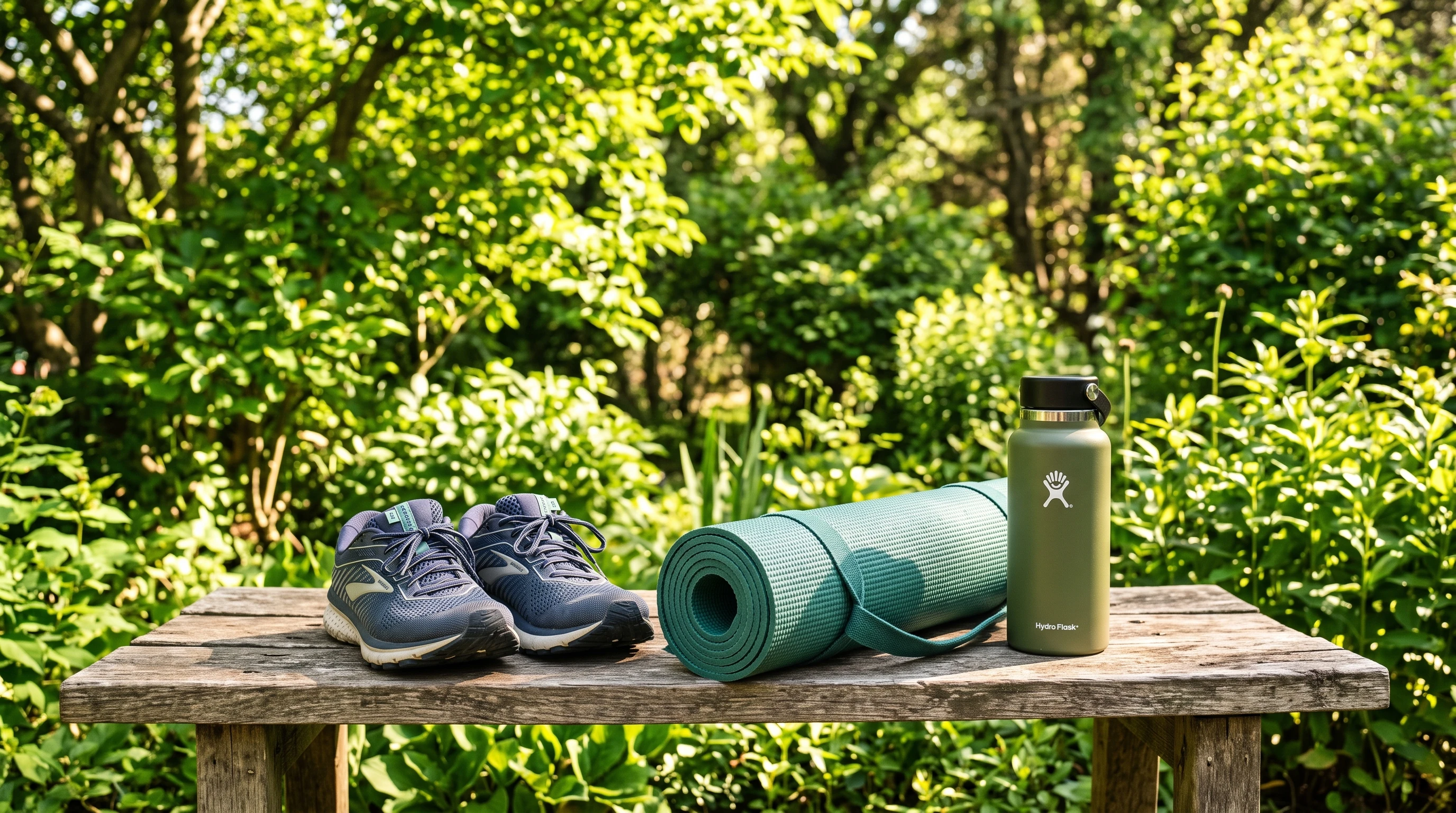
- Yoga mat: Adds comfort for stretching and floor exercises anywhere, even in small spaces.
- Music Playlist: Upbeat music or podcasts can make active sessions more enjoyable and help time pass quicker.
Reflective vests or snap-on lights help keep you visible if walking at dawn or dusk. Also, investing in a water bottle you actually like carrying encourages hydration and reminds you to sip regularly.
Frequently Asked Questions
Tons of people have questions about building a more active life after 50, so here are a few that come up often:
Question: Do I need to see my doctor before getting active?
Answer: Checking in with your doctor is a smart step, especially if you have health concerns or haven’t been active for a while. They can suggest safe starting activities and flag any restrictions.
Question: What’s the best exercise for someone over 50?
Answer: There’s no single “best” exercise. Walking, swimming, yoga, or anything you enjoy and can stick with works well. The key is picking something you’ll look forward to doing regularly.
Question: How much exercise do I really need?
Answer: Official guidelines suggest aiming for about 150 minutes of moderate activity a week. That could be 30 minutes a day, five days a week, but even smaller amounts add up and help you feel better.
Building an Active Life is a Personal Adventure
Growing a more active daily routine after 50 feels rewarding once you find things you like and keep things manageable. A bit of planning and the willingness to try new approaches go a long way. Whether it’s walks in the park, light yoga, or dancing in your living room, any movement is better than none. The benefits go well beyond the physical.
Small steps, realistic goals, and a little experimentation can breathe new energy into daily life. Every bit of effort is worth it. It’s never too late to start feeling stronger and more confident in your body.