Building coordination through purposeful movement brings rewards in almost every corner of daily life. Smooth, synced movement not only makes routine tasks simpler but also boosts your confidence when tackling new activities. Whether I’m catching a ball, riding a bike, or just navigating a rocky trail, good coordination lets me react quickly and efficiently. To track down real improvement, it’s useful to understand how coordination works and the best ways to train it with specific movements.
Understanding Coordination and Why It Matters
“Coordination” refers to your body’s ability to use its different parts in sync, smoothly and efficiently. It’s like your muscles and brain teaming up to help you move naturally—especially when things get tough. Coordination isn’t just for sports; it’s a major player for balance, posture, quick reactions, and steering clear of injuries. From simple tasks to complex physical challenges, it’s the behind-the-scenes workhorse.
Helping kids build coordination gives them extra confidence in gym class, and it helps adults stay quick on their feet and less accident-prone. Plenty of studies show that regular movement training helps memory and brainpower along with athletic performance. In fact, making coordination a habit turns into a solid investment for long-term health, learning, and even stress management. (See: CDC Physical Activity Basics.)
Getting Started: Simple Ways to Build Coordination
It can be much easier than you think to pump up coordination. Most gains happen when you nudge your body to do things just outside what’s comfortable. Here are some tried-and-true activities that work for anyone from total beginners to those looking for a quick tune-up:
- Playing Catch: Tossing a ball links your hands, eyes, and reaction time together for a fun, effective exercise.
- Skipping or Jump Rope: Awesome for rhythm and timing, plus it gets you moving and raises your heartbeat.
- Balancing on One Foot: This move fires up those small stabilizer muscles that help you stay steady.
- Dancing to Music: Following the beat forces your mind and body to adjust and react in real time.
- Obstacle Courses: Whether you’re crawling, climbing, or weaving, obstacle courses keep your mind and muscles working as a team.
Adding these activities a few times per week makes a difference over time. You don’t need any fancy gear—just some space and an open mind.
How Movement Steps Up Coordination
Getting more coordinated isn’t about memorizing routines. It’s about sharpening the connection between your brain and muscles. When I practice something new—like juggling or yoga—I’m not just flexing muscle. I’m training my brain to send messages quickly so every move feels smoother and more natural.
Repeating movements helps lock in these new connections. Just like learning a language, practice is key. Standing up every hour for a quick stretch or jumping into backyard games helps reinforce these mind-body links, making progress come faster. Even small doses of movement, spread throughout the day, build a foundation for better coordination.
Practical Tips for Daily Coordination Training
Fitting coordination training into your schedule doesn’t have to be time-consuming. Here are my favorite, easy-to-follow tips:
- Mix Up Your Path: If you always walk the same direction, switch things up—walk sideways, try backward steps, or pick new terrain to test your balance.
- Use Both Sides: Challenge yourself to use your non-dominant hand or alternate leading legs when taking the stairs. This technique wakes up the less-dominant parts of your body.
- Structured Practice: Check out instructional videos or find classes that target balance and agility. Yoga and Pilates, in particular, work focus, coordination, and breath control all at once.
- Short Challenges Matter: Set a phone alert for a five-minute movement break—balance on one foot, jump rope, or follow along with rhythm games.
- Keep it Social: Team up with friends or family. Ball games, relay races, or partner dances inject fun and a sense of competition into the practice.
Common Coordination Training Obstacles (and Ways Around Them)
It’s totally normal to feel awkward or get stuck when learning new coordination skills. Here’s what you might run into and my ways for working through them:
- Clumsiness: Everyone has off days. I recommend making short videos of yourself to see progress more clearly.
- Timing Struggles: Using a metronome or counting out loud is a simple way to groove into rhythm, especially for movement based in music.
- Losing Balance: Stand near reliable support, like a wall or sturdy chair, as you build confidence. Gradually step away as your balance improves.
- Getting Frustrated: Break skills into small, manageable steps and celebrate wins along the way. Every bit of progress counts.
Tackling Balance Issues
Balance is a huge part of overall coordination. I love practicing single-leg stands, heel-to-toe walks, or simply spending time on uneven surfaces like grass. It helps to start with some support and pull back as your steadiness improves.
Coordination and Age
Kids naturally pick up coordination faster, but adults can absolutely step up their skills at any age. Trying out hobbies like dance, tai chi, or ping pong is a fun way to stay active and protect your brain’s sharpness—at any stage of life. I’ve seen plenty of adults picking up these activities and sticking with them for lasting benefits.
Eye-Catching Features of Movement-Based Coordination Activities
Certain activities blend exercise and brain training for a next-level cool combo. Here are a few of my favorites for both challenge and fun:
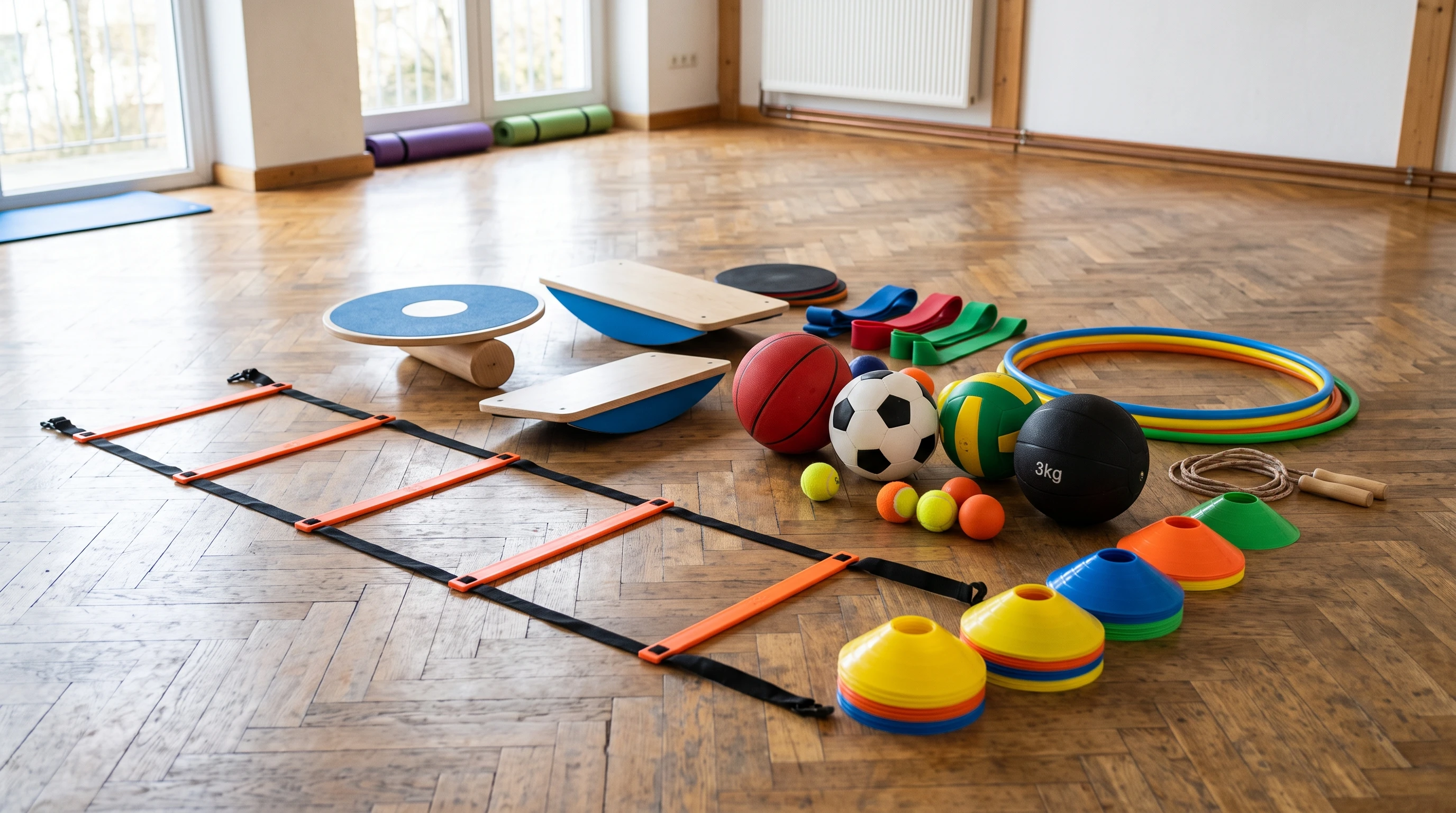
- Balance Boards: Rocking and rolling sharpens reflexes and balance at the same time.
- Agility Ladders: Fast footwork and precision boosts both agility and coordination, and makes for a fantastic warm-up.
- Balloon Volleyball: Playing with balloons is unpredictable—keeping your eyes and movements in sync.
- Shadow Boxing: No equipment needed; moving quickly and decisively improves hand-eye coordination and cardio together.
Adding new tools or games to your routine keeps things fresh and helps break past plateaus. Getting outside or teaming up with others adds an extra boost of motivation, too.
Coordination in Daily Life, School, and Sports
Strong coordination is at play everywhere—from school gyms to office desks. For kids, games like hopscotch or pattern clapping boost learning and help them feel confident. In sports, top-notch coordination translates to lightning-fast reactions and a lower risk of injury. Even at work, you’ll notice better posture, less fatigue, and a greater sense of physical comfort during repetitive tasks.
- At School: Rhythmic activities like drumming and hand games power up attention and focus.
- Sports Training: Drills requiring you to track multiple moving objects, like in basketball or soccer, sharpen hand-eye coordination in and out of the game.
- In Daily Skills: Everyday actions like typing, chopping vegetables, or driving all rely on solid coordination to feel easy and efficient.
Frequently Asked Questions
Lots of people ask about boosting their coordination. Here are some common questions and my answers:
Question: Can coordination really improve at any age?
Answer: Absolutely. Consistent, regular practice—no matter your age—helps the brain build and keep strong movement pathways.
Question: How soon will I notice changes?
Answer: Progress depends on your starting point and consistency. Many people spot smoother, easier movement within a week or two. Keeping a journal or taking videos makes it easier to track growth.
Question: Are coordination exercises risky?
Answer: Most are quite safe, especially if you start slow and stick to level ground. For anyone with mobility issues, it’s smart to first ask a physical therapist or healthcare professional.
Wrapping Up: Final Suggestions
Leveling up your coordination with movement pays off throughout your whole life. Whether you aim to improve in sports, breeze through everyday tasks, or just enjoy being more active, carving out even a few minutes a day brings noticeable improvements. Keep sessions playful and change things often for best results. The more tuned-in you are to your body and the world around you, the more natural and smooth all your movement becomes, no matter your skill level or age. That’s an advantage everyone can appreciate.