Wearable technology has truly switched up the way I keep track of my health. Gadgets like smartwatches, fitness trackers, and even smart rings now do much more than just count steps; they’re like little helpers on my wrist or finger, quickly offering insights into my well-being. I’m constantly surprised by just how much these tiny devices can reveal, so I’ll walk you through what wearable health tech really is, how it works in daily life, and what to look for if you decide to add one to your routine. As these devices keep gaining popularity, it pays off to check out their main features and think about how you might use them.
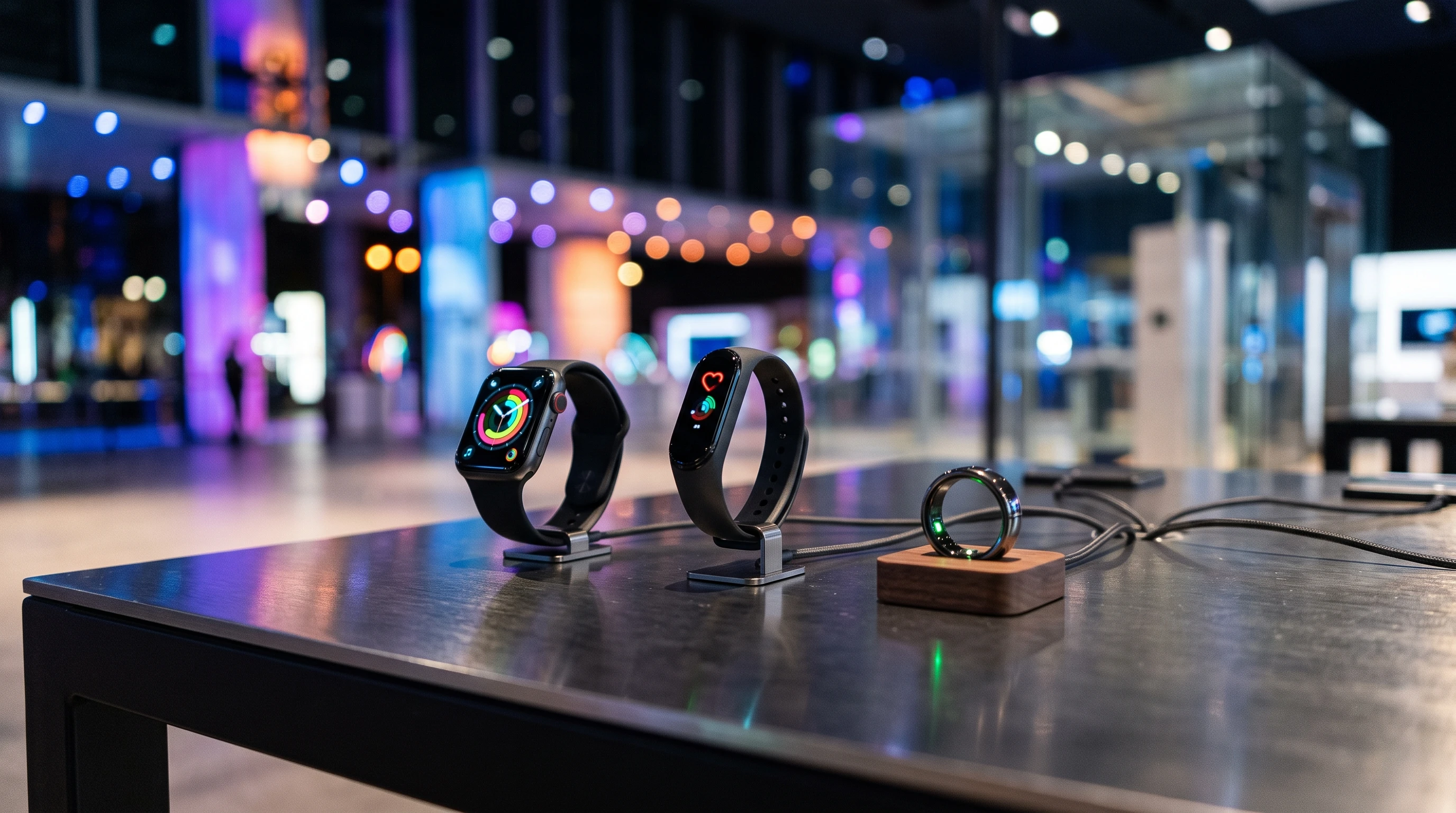
What Counts as Wearable Health Technology?
Wearable technology for health isn’t just about step counters anymore. These days, there’s a wide range of gadgets, all designed to be worn close to the body and packed with sensors that spot things like heart rate, blood oxygen levels, sleep cycles, and even stress signals. Here are some popular wearable health trackers:
- Smartwatches: Examples like the Apple Watch or Samsung Galaxy Watch can check your heart rate, track workouts, and sometimes even take an ECG.
- Fitness Bands: Lighter, more affordable options such as Fitbit or Xiaomi Mi Band focus mainly on measuring activity levels and sleep.
- Smart Rings: Devices like the Oura Ring can track sleep, readiness, and body temperature around the clock.
- Medical Wearables: Specialized gadgets for chronic conditions, like continuous glucose monitors for diabetes or ECG patches for heart tracking.
Personally, I lean toward smartwatches because they offer a balance of health features and extra tech perks like notifications and mobile payments. But if you really want something discreet or are hyper-focused on one thing—like sleep—going with a smart ring might fit better.
How Wearable Tech Monitors Your Health
These tiny gadgets are loaded with sensors, making it easy to keep tabs on all sorts of health metrics. Here’s a simple run-through on what the sensors actually do and how they can help you stay on top of your health:
- Heart Rate Monitors: Light sensors spot blood flow change, giving real-time pulse info before, during, or after activity.
- Accelerometers and Gyroscopes: Detect movement and orientation, counting steps, measuring activity intensity, and helping you see when you’ve been still for too long.
- SpO2 Sensors: Shine light through the skin to gauge oxygen saturation. This metric is especially handy while sleeping or during intense workouts.
- Temperature Sensors: Catch subtle changes in skin temperature, pointing to oncoming illness or helping track recovery.
- Electrical Sensors: Record electrical impulses, sometimes even producing ECGs to spot irregular heart rhythms.
I’ve stumbled upon these features as valuable tools for noting patterns that would otherwise slip by me. For instance, a few weeks of sleep tracking showed me that late-day caffeine was messing up my nightly rest. These ‘aha’ moments make wearables pretty handy in real life, not just as gadgets but as motivation for better habits. They also sync up with smartphone apps, bringing all of your health data together in one spot for easy review.
Setting Up and Using Wearable Health Devices
Getting started is simple if you know what’s involved. Here’s what works best to get the most value from your new gadget:
- Choose the Right Device: Match the gadget to your health priorities. Want heart rate tracking, sleep metrics, or stress monitoring? There are options for everyone.
- Sync With Your Phone: Every wearable comes with an app for weekly or monthly summaries. Make sure Bluetooth is enabled so your data is synced and stored safely. Companion apps often include reminders and helpful tips too.
- Wear All Day and Night: For truly detailed health data, wear your tracker continuously—most are comfy enough for 24/7 use.
- Review Health Insights Regularly: Make it a habit to check your stats in the app. Automated nudges like reminders to walk or tips on winding down before bed can keep you on track.
Even just seeing my step count or sleep score motivates me to get moving or prioritize a better bedtime routine. It’s like having a gentle coach always looking out for you.
What to Look For When Buying Wearable Tech
The wearable tech market is growing fast, making it a challenge to pick the right one. Here are some tips based on what I look out for:
- Accuracy: All trackers have slightly different sensors, so check independent reviews that compare results to medical-grade tools.
- Battery Life: Nobody wants to charge their tracker every single day. Longer battery life, especially a week or more, makes all the difference.
- Water Resistance: Essential if you plan to wear your gadget for swims or sweaty workouts.
- Compatibility: Make sure the device works with your phone’s operating system, whether it’s iOS or Android.
- App Quality: The app is where you’ll follow your health progress, so look out for helpful layouts and solid app store reviews.
- Privacy and Data Security: Check what info gets collected and if it’s shared. Reputable brands tend to be upfront about privacy practices on their websites.
Doing a little research pays off—if you find a device that fits your daily routine and privacy expectations, you’ll likely use it much more.
Accuracy
Not all wearables get it right all the time. Before buying, I scan reviews, especially those that show real-world results side by side with clinical tools. Keep in mind: wearables are awesome for spotting patterns but aren’t meant for diagnosing conditions.
Battery Life
No one wants a wearable that can’t last through the day. I find three days between charges is the bare minimum for smartwatches and up to a week for simpler bands and rings. Extended battery life also means less missed data.
Data Privacy
With all that personal data, privacy matters. I always look up the brand’s privacy policy to see how they handle and store my info. Major players like Garmin, Fitbit, and Apple are usually very direct about their policies. If you see vague or missing explanations, it’s a red flag.
Challenges and Limits of Wearable Tech
No device is perfect. Here are a few challenges I’ve noticed with wearables:
- False Alarms: Sensors aren’t flawless, and sometimes bad contact or skin tone can throw off readings, causing unnecessary alerts.
- Over-reliance on Data: It’s tempting to believe every metric, but remember, wearables add to your health toolkit—they don’t replace real medical advice.
- Learning Curve: New users may feel lost with all the numbers. It takes time to get a sense of what “good” looks like for your own body.
Wearables work best when you see them as one piece of your wellness adventure, supporting—not taking over—your sense of overall health. Remember, always follow up with a doctor for anything serious.
How Wearables Support Real-World Health Goals
The power of wearable tech is its ability to nudge better habits all day long. Here’s how people—myself included—use these gadgets every day:
- Fitness Tracking: Setting realistic goals for steps, active minutes, or calories burned helps drive friendly competition with friends or just keeps you motivated to move more.
- Monitoring Sleep: Over weeks and months, smart rings and watches help track down sleep trends so you can make little tweaks—a new bedtime, less screen time—and actually see the impact.
- Managing Chronic Conditions: Folks with diabetes now use smart patches for blood sugar tracking, and those with heart conditions get notified of arrhythmias or unusual patterns, so they can talk things over with their doctor.
- Detecting Stress: Many wearables estimate stress based on heart rate variability (HRV), so you know when it’s time to slow down or take a deep breath.
These everyday stats can give a real boost to your confidence and help spot early warning signs. Just this spring, a sudden drop in my SpO2 prompted a call to my doctor—and catching a minor health snag early paid off big time.
Frequently Asked Questions
Here are some common questions I get about wearable health tech:
Question: Can wearable devices replace my doctor?
Answer: Wearables are perfect for spotting trends and encouraging healthy habits, but they can’t replace medical expertise or diagnose health issues.
Question: Are wearables for everyone?
Answer: Most healthy adults can get a lot out of wearable trackers, but anyone with skin conditions or implanted devices should check in with a healthcare provider first.
Question: How secure is my personal data?
Answer: Big brands invest in strong data security, but it’s always wise to review the privacy details and stay informed about how your info is handled.
The Takeaway
Wearable technology brings lots of value to anyone ready to get smarter about staying healthy. With the right device and just a bit of patience, you’ll get to know your habits better, which means making healthier choices comes more naturally. You might find yourself sticking to new routines thanks to one of these handy gadgets, whether you’re curious about sleep, trying to move more, or just want a little extra help supervising your health. As for me, I can confidently say I’m more motivated to stay on track with a wearable than I ever was relying on willpower alone. If you’re considering joining the trend, now’s a great time to check out what these health helpers can do for you.