Getting outdoors does a lot of good, especially for seniors who want to stay active, social, and mentally sharp. Having some go-to outdoor activities can bring a sense of fun and purpose, even if mobility is limited. I’ve spent plenty of time helping family members and friends find activities that fit their needs. I’ve collected a pretty handy list of outdoor options that work well for a wide range of abilities. Here’s a helpful breakdown of the top choices for seniors looking to make the most of their time outdoors.
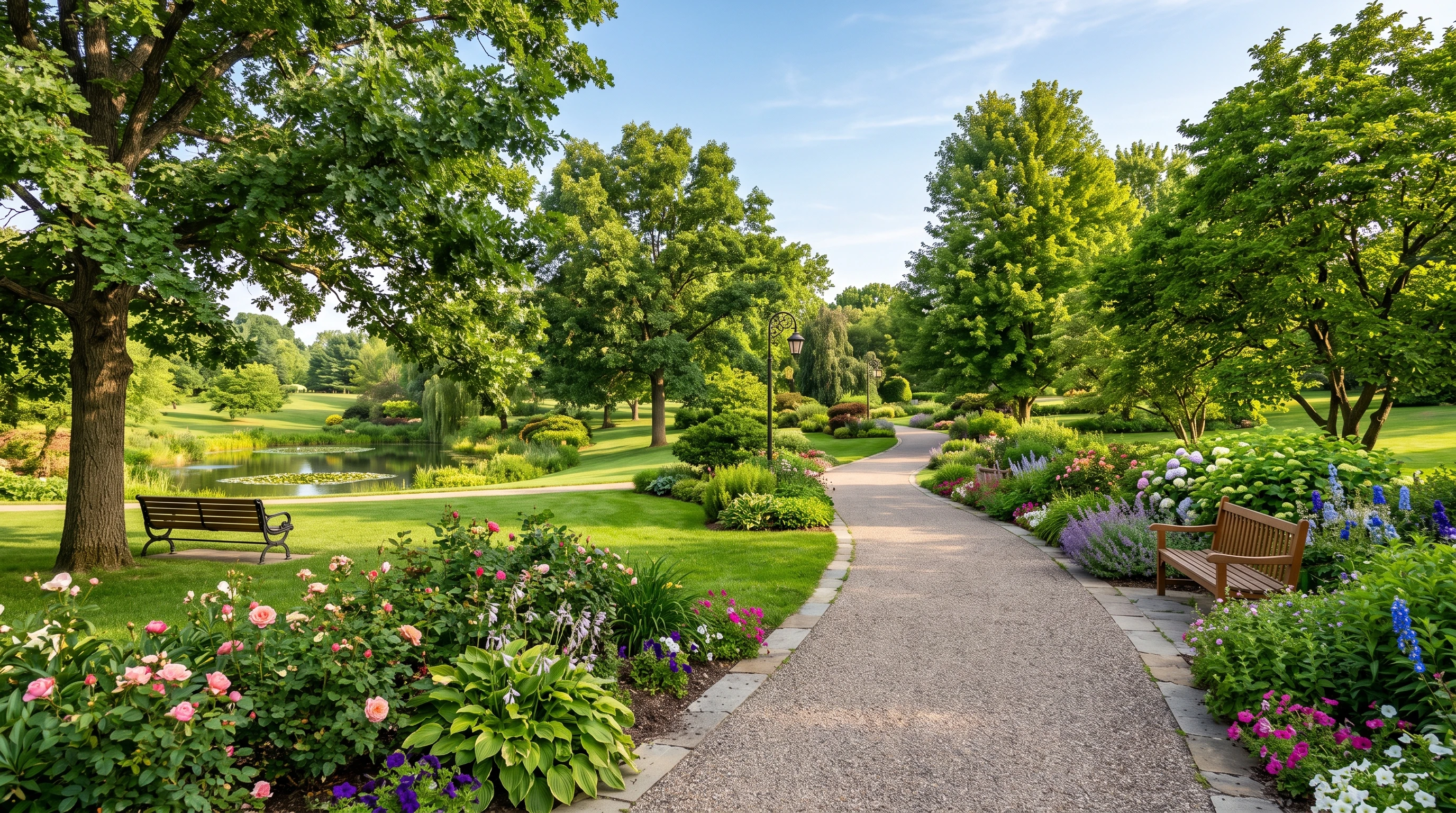
Popular Outdoor Activities for Seniors
Heading out and enjoying fresh air isn’t just refreshing; it can seriously impact physical health, mood, and even memory. The Centers for Disease Control and Prevention (CDC) actually recommends that adults over 65 aim for at least 150 minutes of moderate activity every week. Most outdoor activities fit the bill.
Outdoor options aren’t limited to hours of power walking or jogging. There’s a lot to try, from birdwatching to light gardening or even group tours of local parks. You don’t have to go far or buy special gear to get started. Here are some favorites that consistently work well:
- Walking or Strolling: Sidewalks, nature trails, or even laps around a garden can provide gentle, effective exercise.
- Gardening: Planting or tending to flowers and veggies not only gets you outside but is a nice way to stay engaged and creative. Dig in and grow a vegetable patch or try container gardening on your porch if space is tight.
- Group Fitness or Tai Chi in the Park: Light classes led outdoors often focus on lowimpact movements, improving balance and flexibility. Many local recreation centers host classes designed for different ability levels.
- Birdwatching: Slowpaced and peaceful, this activity keeps the mind sharp and makes you appreciate nearby wildlife. Joining a guided walk or using a simple pair of binoculars can kick things up a notch.
- Picnics or Social Meetups: Sharing meals under the sun, whether with family or a senior group, adds a social element that many find really important for wellbeing. Potluck picnics and scheduled coffee mornings can bring people together easily.
- Fishing or Boating: For those near water, spending time near a lake or pond, whether watching the water or casting a line, can be very relaxing. Community lakes often offer wellkept paths and shaded benches for added comfort.
- Photography: Snapping photos of flowers, parks, or cityscapes is a relaxing skill that sharpens focus and gets you moving. Try joining a local photography club or challenge yourself to photograph a certain subject each week for added motivation.
Other options worth looking into include attending local outdoor concerts, taking painting supplies outside for some landscape art, or participating in pet therapy sessions hosted in parks. Communities frequently organize seasonal festivals or holiday parades, which are excellent chances to get outside, have fun, and connect with neighbors.
Choosing Activities That Fit Your Abilities
Everyone’s comfort and mobility levels are a bit different, so picking activities that suit your health makes a big difference. Here are some things I always mention:
- Pace Yourself: Choose gentle activities if you have limited stamina or joint pain. Short walks, seated gardening, or just watching a community baseball game from a shady bench all work well.
- Stay Close to Home: If traveling is tough, look for nearby parks, community gardens, or organized senior walks that meet close by. Some towns even offer guided history walks right in city centers, which require minimal travel.
- Check with Your Doctor: Before jumping into something new, it’s a good idea to make sure it’s safe, especially if you have heart issues, diabetes, or use mobility aids. Your doctor might even have suggestions for activities that benefit your specific health situation.
Finding the right fit sometimes takes a bit of experimenting. Many towns and senior centers offer trial classes or community meetups where you can test out activities before joining. Group leaders are usually happy to answer questions and help you feel comfortable starting out.
Safety Tips for Seniors Outdoors
Staying safe is really important. I’m always sure to prep ahead, especially on sunny days or in unfamiliar spaces. Here are practical tips that come up most often:
- Dress for the Weather: Layer in cooler months and wear lightweight, sunprotective clothing when temps spike. Bring a light raincoat if the forecast looks unsettled.
- Bring Water: It’s super easy to get dehydrated, even on short trips. I keep a refillable bottle in my bag all the time for convenience and cost savings.
- Stick to Well Maintained Paths: Uneven ground or loose gravel can lead to falls. Choosing solid, easy to get around paths makes outings safer and less stressful.
- Use Sun Protection: Hats, sunglasses, and sunscreen help prevent burns and keep skin healthier at any age. Consider using a broadbrimmed hat for shade and applying sunscreen about 30 minutes before heading out.
- Bring a Buddy or Phone: Having a friend, relative, or just your cell phone can be important if you need help or feel unwell. Some people bring a medical alert device for extra reassurance, especially when heading out alone.
I also keep emergency contacts written down somewhere easy to find, whether in my phone or in my wallet, just in case. Little steps like these can make big outings a lot more enjoyable. If you have any allergies or serious medical conditions, carry a card or bracelet so others can help you quickly if there’s ever a need.
Social and Community Outdoor Options
Connecting with others adds another layer to staying active. I’ve noticed that seniors who regularly meet for group activities often say it motivates them to get outdoors more often. Here are some ways communities help bring people together:
- Walking Clubs: Many neighborhoods have informal groups that organize walks at local parks. A weekly meetup is a great way to set a routine and meet fellow walkers.
- Community Gardening Projects: Shared gardens not only provide space to grow flowers and produce, but also let you meet neighbors and swap tips. These gardens sometimes host talks or seasonal harvest events for added social opportunities.
- Guided Outdoor Tours: Nature centers, museums, or city groups often host accessible tours that focus on everything from local history to birdwatching. Check your local calendar for regularly scheduled walks or talks.
- Seniors’ Outdoor Fitness Classes: Check with local recreation centers for tai chi, gentle yoga, or stretching sessions held in public parks. Bring a towel or yoga mat for added comfort.
- Outdoor Craft Fairs or Farmers’ Markets: These are great for fresh air, casual strolling, and maybe grabbing a local treat along the way. Look for markets that accommodate seniors by providing rest areas and shade.
Joining a group or signing up for an event is a great way to make new friends and stay connected. Something I find a lot of us value more as we get older is the feeling of belonging and regular interaction. Community senior resource guides or local libraries are good starting points to find these groups or events.
Addressing Common Concerns and Making Things Easier
There are a few things I get asked about all the time, from concerns about stamina to accessibility challenges. Here’s what I typically share:
- Limited Mobility: Many parks and gardens now have paved loops, benches, and accessible restrooms. Look for accessible labels on community websites. If details aren’t clear, just ask the park office or event organizers for more information so you can plan ahead.
- Lack of Transportation: Senior centers often arrange carpools, shuttle buses, or walking groups that start nearby. Rideshare apps can also help if you don’t drive. Many communities publish transportation options tailored for older adults or people with disabilities.
- Fear of Falling: Using a cane or walker, sticking to flat pathways, and wearing supportive shoes reduces risks. I also encourage people to walk with others when possible, and don’t hesitate to rest if you feel unsteady.
- Weather and Allergies: Check local conditions before heading out, and keep allergy meds handy in peak pollen months. Scheduling activities early in the morning or later in the evening can keep you comfortable in warm seasons.
- Motivation: Setting simple goals with a buddy or on your calendar gives a reason to keep moving, even if it’s only once or twice a week to start. Having an outdoor buddy makes sticking to plans more fun and helps keep spirits up.
Many outdoor activities can be adapted for nearly any health level. Don’t be shy about asking activity leaders or organizers for help making adjustments. Most folks are glad to help make sure everyone feels welcome. Community volunteers and city staff can often recommend specific locations or programs that meet unique needs.
Benefits of Outdoor Activities for Seniors
Beyond the physical perks, spending time outside brings a lot of other benefits. Here’s how regular outdoor time helps:
- Boosts Mood: Sunlight and fresh air are tied to less anxiety and fewer symptoms of depression. Even a few minutes outside each day can break up routines and get you feeling refreshed.
- Supports Heart and Bone Health: Even slow walking or gardening can improve circulation, keep joints flexible, and strengthen bones. Activities like tai chi or gentle stretching also build balance and prevent falls.
- Improves Sleep: Exposure to natural light helps set better sleep rhythms, making it easier to get rest at night. If you’re struggling with sleep, try taking your morning coffee outside or spending noon hour reading in a park.
- Stimulates Memory: Exploring new spaces, chatting with others, and experiencing new things outdoors all help keep the mind sharper. Activities like nature walks can spark curiosity and give a brain boost.
- Promotes Independence: Staying mobile supports overall independence, sometimes longer than people expect. Practicing outdoor movement regularly can maintain walking ability and confidence with daily tasks.
I’ve seen firsthand how a few hours each week in the garden or at the park can turn things around, both mentally and physically. Even a slow stroll outside can lift spirits and help maintain daily routines. Seniors who make outdoor time a habit often report feeling more energetic, less isolated, and generally happier.
Frequently Asked Questions
Here are answers to questions I hear all the time from seniors and their families looking to get outdoors more:
Question: What’s the safest way to start being more active outside?
Answer: Start slow. Try a short walk or spend time sitting outdoors at first. It’s helpful to bring company or let someone know where you’ll be so you feel secure and supported.
Question: How can outdoor time fit into a weekly routine?
Answer: Try penciling in an outdoor activity two or three times a week, whether it’s gardening, stretching on your porch, or meeting a friend for coffee at a park. Routine helps make it a habit. You can pair outdoor time with another enjoyable activity to make it extra motivating.
Question: Are there outdoor options that don’t require much walking?
Answer: Birdwatching, fishing, outdoor art classes, or just relaxing in a community garden all work with minimal walking. Some senior centers offer seated tai chi or gentle games outdoors. Park benches along paved paths can make it easy to take frequent breaks.
Question: What should I bring for a safe outing?
Answer: Water, sun protection, a fully charged phone, and maybe a small snack. It’s smart to bring any required medications just in case, especially if you might be out for more than an hour. Consider bringing a travel-size hand sanitizer and tissues for convenience, especially during allergy season.
Finding the Right Outdoor Activity for You
Trying different activities is half the fun. Whether it’s gentle gardening at home, joining a community walking club, or taking up a new hobby like nature photography, there’s something out there for every ability and interest. With even a little time outside each week, seniors can see big improvements in health, happiness, and overall quality of life. The key is staying open to new experiences and checking back for more ideas when you need them. Keep experimenting until you stumble upon what fits you best, and don’t forget to share your favorite outdoor moments with friends or family for extra joy.