Mindful walking isn’t just about moving from one place to another. It’s about using each step to ground yourself, clear your head, and tune into the world around you. This simple practice fits smoothly into daily routines and can bring a little calm and focus whenever life gets busy. Here, I’ll get into what mindful walking is, how it works, and easy ways to get started, backed by personal experience and handy tips that anyone can use to make their walks more meaningful.
What Is Mindful Walking?
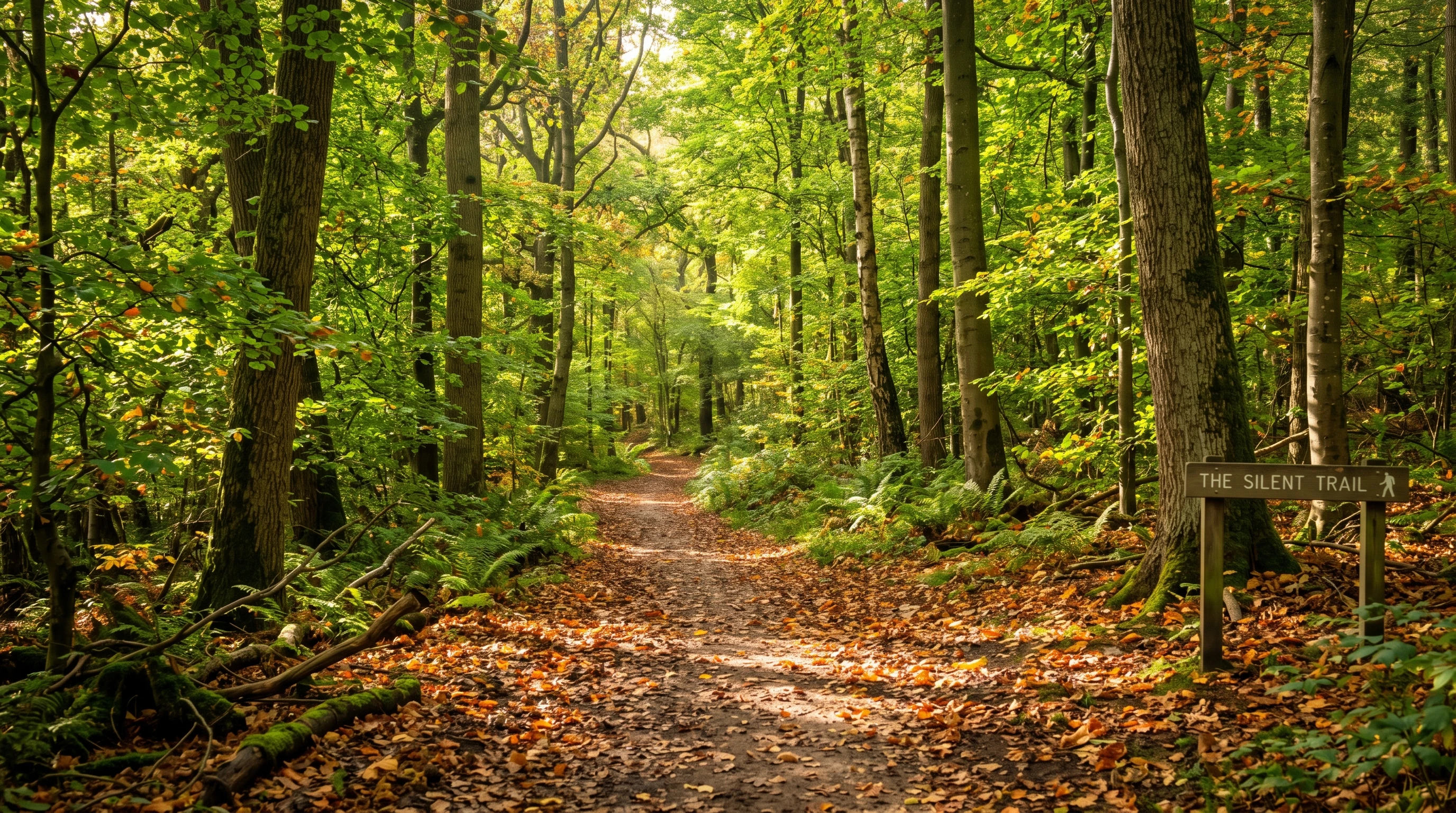
Mindful walking is the practice of bringing your full attention to the act of walking. It’s about noticing every step, the feeling of your feet touching the ground, the rhythm of your breath, and the sights, sounds, and smells along your path. Unlike regular walking, which often happens on autopilot, mindful walking is intentionally slow and focused. It’s as much about mental presence as it is about moving your body.
This kind of walking grew out of mindfulness meditation, which has roots in Buddhist traditions but now pops up in all sorts of wellness programs, workplace retreats, and even school classrooms. Instead of sitting still, though, mindful walking lets you combine gentle movement with meditation. It’s especially good for people who find traditional sitting meditation uncomfortable or tough to stick with.
Mindful walking helps me slow down and actually notice what’s happening in my body and around me. I find it makes even short walks to the mailbox or grocery store feel refreshing and makes it easier to spot moments of beauty I usually miss, like birdsong or the feeling of sun on my skin.
Getting Started with Mindful Walking
The best part about mindful walking is that you really don’t need any specialized gear, just comfortable shoes and a spot to walk. You can try it on a city sidewalk, a forest trail, or even inside your house. I started testing it out during lunch breaks, making a loop around my block with my phone in airplane mode.
Key things to keep in mind as you begin:
- Start Simple: Set aside ten minutes. If you’re new to mindfulness, shorter is better at first.
- Walk Slower Than Usual: A slowed pace makes it easier to notice sensations and sounds around you.
- Focus On Your Senses: Pay attention to each footstep, the movement in your legs, your breath, and what your eyes and ears pick up along the way.
- Come Back When Distracted: Your mind will wander, mine definitely does. Just gently bring your attention back to your feet or breath whenever you catch yourself daydreaming or making grocery lists in your head.
When I first tried mindful walking, I caught myself rushing, glancing at my phone, or thinking about my next task. That’s super normal. The trick was to remind myself now and then to feel the ground under my feet and notice the changes in the air or even how my arms swung at my sides.
How to Practice Mindful Walking Step by Step
Here’s an easy guide to mindful walking that I found a lot more approachable than just “being present.”
- Pick a Route: Choose somewhere you feel safe and won’t be interrupted. A favorite path or even your hallway works.
- Stand Still First: Before you take your first step, pause and notice how your body feels. Check in with your posture and take a few slow breaths.
- Notice Each Step: As you start walking, pay attention to how your foot lifts off, moves through the air, and makes contact again with the ground. Try feeling the shift of weight in your legs and hips.
- Bring in the Breath: Match your breathing to your steps, if that feels comfortable. You can breathe in for three steps, out for three, or whatever works naturally.
- Expand Your Awareness: After a few minutes, let your focus gently widen. Take in the temperature, air movement, sounds, and scents without clinging to any one thing.
- Be Kind with Wandering Attention: When your mind drifts, notice it gently and guide yourself back, no stress.
- Close with Stillness: At the end of your walk, stand still for a moment before transitioning back to daily life. Check in and notice any changes in mood or body.
Common Benefits of Mindful Walking
Even short mindful walks can have really positive impacts, based on both research and personal experience. Taking mindful walks regularly can offer new perspectives and shift your mood even on tough days.
- Reduces Stress: Focusing on each step pulls your mind out of worrying about the past or future, which can lower feelings of stress.
- Boosts Mood: Regular mindful walking can lift your mood. I tend to come back from these walks feeling lighter and more clearheaded.
- Improves Focus and Creativity: By training attention during walks, you practice bringing it back at work or during creative projects. Many people notice fresh ideas coming up during mindful walks because their busy mind takes a breather.
- Supports Gentle Movement: Mindful walking is easy on joints and doesn’t require athletic ability, making it a good fit for almost anyone.
- Connects You to Nature: Walking outside, you naturally tune into the richness of your surroundings. Studies from the American Psychological Association back up these effects on mental well-being.
Plenty of healthcare providers include mindful walking in coping strategies for anxiety, burnout, and even chronic pain. The best part is, the benefits show up even if you only practice every now and then, and you don’t have to wait long to see small improvements in how you feel.
Tricky Spots and How to Handle Them
While mindful walking is simple, real-world distractions sometimes make it a bit challenging. Here’s what I’ve run into, and what I recommend:
- Busy Environments: Noisy streets and crowded parks can get overwhelming. Pop in early in the morning or find a quieter stretch, even a garden or long hallway works.
- Restlessness: Sometimes my mind won’t settle no matter what. Shorten the walk and try again another day, or use a guided audio track to help focus.
- Pressure to “Do It Right”: Mindful walking isn’t graded. If attention strays, it’s not a mistake, just part of the process. You’re building your focus skill over time.
Some walks feel more calming and connected than others. It’s totally normal for each experience to be a little different. Consistency makes it easier over time, and I noticed more ease with practice. Even if a walk isn’t perfect, the effort you bring counts toward your overall well-being.
Tools and Props to Make It Easier
While you don’t need any special equipment to make mindful walking work, there are a few props worth checking out if you need a little extra help:
- Guided Audio: Many meditation apps (like Headspace or Insight Timer) offer mindful walking sessions that keep you anchored if you tend to get distracted.
- Comfortable Shoes: Shoes with good support make longer walks more enjoyable. My favorite pair gives my feet enough cushion that I focus on sensations instead of aches.
- Nature Sounds: If you’re inside, apps with nature sounds or running water can help set the mood for a more relaxing experience. Some people use small fans or white noise machines, too.
Real-World Examples of Mindful Walking
Turning mindful walking into a habit doesn’t have to mean carving out an hour of your day. Here are a few ways I fit it into everyday life:
- Walking the Dog: Twice a day, I take five minutes to tune in before I check emails or make calls. Even holding the leash, there’s time to focus on footsteps and fresh air.
- Commuting on Foot: Walking to work, I use each block as a cue to come back to my breath or scan for “three sounds I can hear right now.”
- Lunch Breaks: Ten minutes circling the parking lot breaks up a long day and hits reset on my mood.
- Post-Workout Cool-Down: After exercise, I do a five-minute mindful stroll in the park to settle my body and mind.
I also know teachers who use mindful walking with students to settle post-recess energy and nurses who pair it with deep breathing to decompress after shifts. No matter your routine, there’s room for mindful walking, even if it’s just down the hall at home. Integrating mindful walking into different moments makes each day more enjoyable and balanced.
Frequently Asked Questions
Below are answers to some experiences and questions I often hear from folks starting mindful walking.
Question: How is mindful walking different from just going for a walk?
Answer: The main difference is intention. With mindful walking, you pay attention to each movement, breath, and sensation, rather than walking on autopilot or while distracted by your phone or to-do list.
Question: Can I listen to music or a podcast while walking mindfully?
Answer: For pure mindful walking, it’s best to skip music and podcasts unless you’re using a guided meditation. The idea is to give your attention to the sights and sounds of the world around you.
Question: How long should my mindful walks be?
Answer: Even five or ten minutes can be really helpful. There’s no rule, find what fits your schedule and mood. Some days, a brief walk around the block is all you need.
Question: What if I have limited mobility?
Answer: Mindful movement can take any form that works for you. The focus is on bringing awareness to whatever movement you can do, small steps or seated movement counts too.
Bringing Mindful Walking into Everyday Life
Mindful walking doesn’t require special training or big time commitments. Whether you’re craving a calmer mind, quick stress relief, or a few peaceful moments in your day, adding in mindful walking opens up those possibilities. Every walk can become a pocket of peace in an otherwise busy day.
Walking mindfully has shown me a new way to ground myself and bring more awareness to daily routines. If you’re looking for a practice that’s easy to try, works in any setting, and comes with mental and physical perks, it’s definitely worth checking out. Give it a shot—the first step is simply paying attention.