If you’ve ever felt stuck eating the same meals repeatedly, you’re definitely not alone. Planning a balanced diet can seem intimidating at first, but with a bit of know-how and some handy ideas, building a healthy meal plan gets a lot easier. I’m sharing my favorite meal planning ideas and some practical tips that make sticking to a balanced diet less of a chore and more of a habit.
Why Bother With Meal Planning?
A solid meal plan isn’t just about making life convenient; honestly, it’s pretty handy when you’re busy. It actually sets you up for healthier choices, saves money, and cuts down on food waste. Studies show that people who meal plan tend to eat more vegetables and are less likely to regularly grab fast food. It helps you keep nutrition in check without the stress of wondering what to cook each day.
Balanced diets are built on getting the right amounts of carbs, protein, fats, vitamins, and minerals. That sounds more complicated than it is. Breaking it down into simple meal ideas makes it much more doable.
How To Build A Balanced Meal Plan
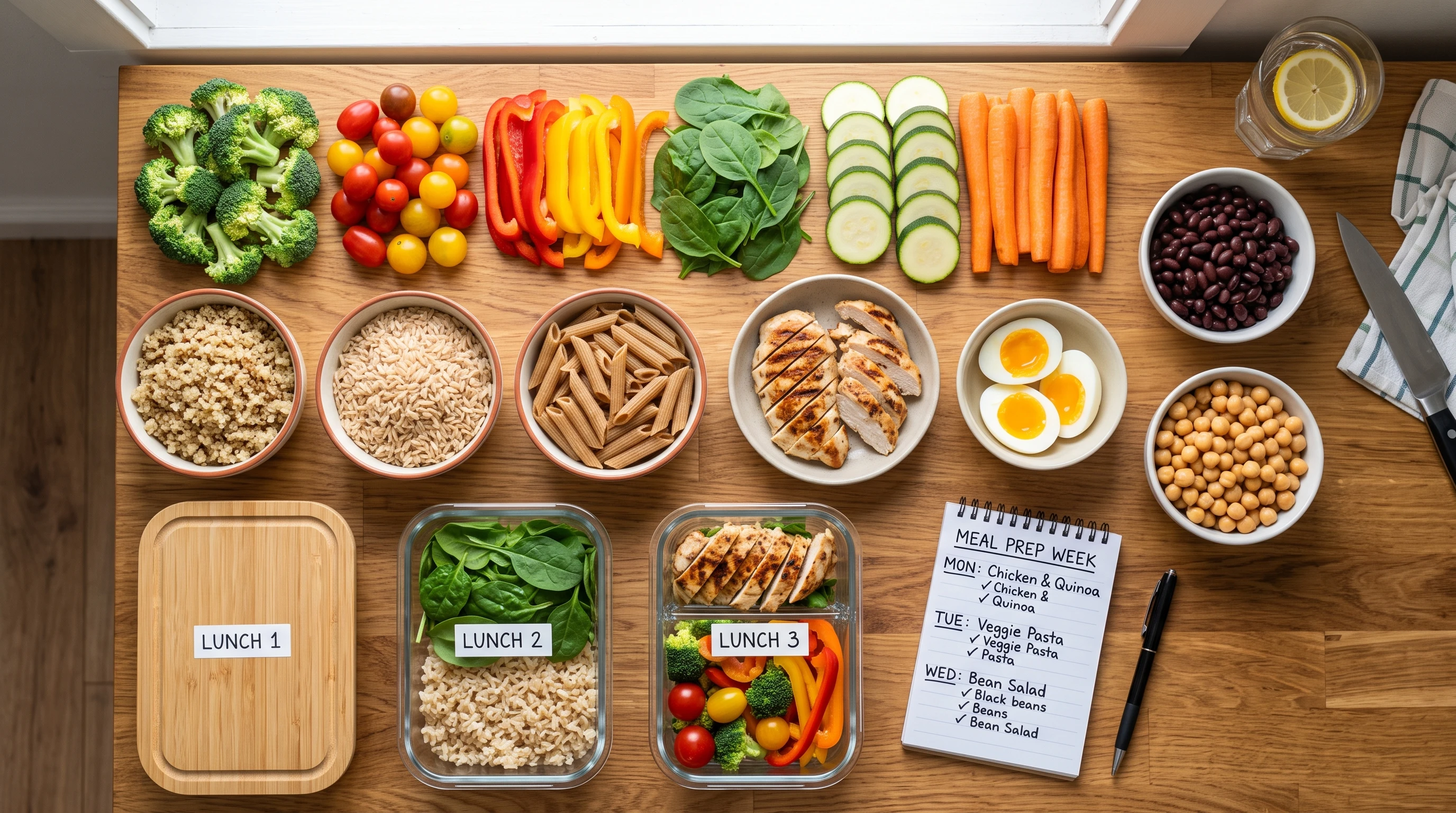
The easiest way I’ve found to create a balanced meal plan is to use a template for each meal—something like “carb + protein + veg + healthy fat.” Not every meal needs to look identical, but having a basic plan stops everything from feeling overwhelming.
- Carbs: Think whole grains like brown rice, oats, or wholewheat pasta. Starchy veggies like sweet potatoes count too.
- Protein: This could be chicken, fish, tofu, beans, or eggs. Mixing it up gets you different nutrients.
- Veggies: Fill half your plate with whatever seasonal or frozen veggies you have. Greens, carrots, peppers—just aim for color.
- Healthy Fats: Avocado, olive oil, nuts, and seeds all bring flavor and key nutrients.
Following this template helps you avoid skipping important food groups and keeps meals interesting.
Getting Started: Meal Planning Steps That Actually Work
I like to break meal planning into manageable pieces. Here’s what works for me:
- Pick a planning day: Sunday works well for a lot of people, but any day is fine. Set aside 30 minutes for planning.
- Check your schedule: Take a quick look at your week so you know which meals need to be quick and when you might eat out.
- Make a master recipe list: Gather meals you really enjoy and know how to cook. Throw in a new recipe or two for variety, but don’t go overboard.
- Plan meals, not just dinners: Adding breakfast, lunch, and snacks into your plan keeps you from scrambling or defaulting to less balanced options.
- Create a shopping list: Write it down as you plan to avoid too many grocery store trips or missing ingredients.
Sticking to this basic routine simplifies meal planning and makes healthy eating feel less overwhelming.
Common Roadblocks and How To Tackle Them
Everyone hits meal planning headaches at some point. Here are a few common ones, and ways I work around them:
- Time Shortages: If you’re short on time, batch cook meals on the weekend, or prep ingredients like washed greens and chopped onions ahead of time. Freezer friendly options like soups or burrito fillings also help save time on busy nights.
- Boredom: Mix up your protein and carb sources each week and use different spices or sauces to keep things fresh without needing to come up with entirely new meals.
- Picky Eaters: Try build your own meals, such as taco bars or grain bowls. That way, everyone can pick their favorite ingredients from the same basic lineup while keeping things balanced.
- Budget Constraints: Plan meals around what’s on sale or in season. Using less expensive protein sources, like lentils or beans or eggs, keeps costs down but nutrition high.
TimeSaving Hacks
Meal planning doesn’t have to take up your weekend. Simple tricks, like prepping grains, roasting a tray of mixed veggies, or cooking a batch of hardboiled eggs ahead of time, really pay off. Keep a few healthy freezer meals ready, and rely on canned tuna, beans, and frozen veggies when fresh ones run low.
Using Leftovers Effectively
Leftovers aren’t just for lunch. Repurpose a batch of grilled chicken into salads, wraps, or stir fry. My golden rule: cook once, eat twice (or more) to minimize kitchen time and waste.
Favorite Balanced Meal Ideas
Here are some loose ideas I lean on during a typical week. Feel free to tweak them based on what you like or have at home:
- Breakfast: Overnight oats with chia seeds, berries, and almonds. Or scrambled eggs with greens and wholewheat toast.
- Lunch: Quinoa salad with chickpeas, cucumber, tomatoes, feta, and a drizzle of olive oil or lemon juice. Or wrap leftover grilled veggies and chicken in a wholewheat tortilla.
- Dinner: Salmon paired with roasted sweet potatoes and steamed broccoli. Or a tofu and veggie stirfry over brown rice with a sprinkle of sesame seeds.
- Snacks: Apple slices with peanut butter, Greek yogurt and nuts, or homemade hummus and carrots.
Mixing these ideas up depending on the season keeps things interesting and helps make sure you’re getting lots of different nutrients.
Foods To Include for a Balanced Diet
Balanced doesn’t mean restriction; it’s about variety. Here are some essential food groups I always try to work into meal plans:
- Whole grains: Oats, brown rice, barley, wholewheat bread or pasta provide fiber and lasting energy.
- Lean proteins: Adding plant proteins like lentils and tofu adds variety and helps give a nutrition boost.
- Colorful veggies and fruits: The more color, the more nutrients—every shade means different vitamins and antioxidants.
- Dairy or alternatives: Milk, yogurt, or dairyfree options rich in calcium and vitamin D.
- Healthy fats: Olive oil, nuts, seeds, and avocado help your body use vitamins and support satisfaction after meals.
Keeping a checklist visible around the kitchen can remind you to switch up your foods each week.
Practical Tips For LongTerm Success
Meal planning is more like a habit than a diet. A few tweaks can make sticking with it much easier:
- Keep some “back pocket” recipes with pantry staples for nights when you’re short on time.
- Write out your meal plan for the week, and keep it somewhere obvious—on the fridge or a kitchen whiteboard works great.
- Shop once or twice each week based on your list. It saves time and cuts down on impulse purchases.
- Stay flexible. Life happens, and sometimes you’ll want or need to swap meals or opt for takeout. That’s totally okay!
Frequently Asked Questions
I get asked a lot about how to make meal planning for a balanced diet less overwhelming. Here are some quick answers to the questions I hear most:
Question: How do I know if my meal plan is balanced?
Answer: Make sure each meal includes some protein, a carb, a healthy fat, and at least one veggie or fruit. Over a day or week, aim for a mix of foods so you aren’t relying on just one or two types all the time.
Question: Can I meal plan if I’m cooking for one?
Answer: For sure! Prepare a couple of flexible recipes and freeze individual portions. Frittatas, soups, and grain bowls are super easy to store and reheat.
Question: What if my family has different diet needs?
Answer: Focus on meal components that can be mixed and matched. For example, serve a grain bowl bar with a choice of proteins, grains, roasted or steamed veggies, and sauces—everyone picks what works for them.
Takeaways for Easier, Healthier Eating
Meal planning for balanced diets is all about building small, sustainable habits rather than chasing perfection. Prep when you can, enjoy a lot of variety, and remember that being able to adapt is key. Find meals you love, use up leftovers in creative ways, and cut yourself slack when things don’t go as planned. That steady approach will keep you eating well for the long haul. Happy planning!