 Staying active gets tricky as you get older, especially if you’re dealing with stiff joints, arthritis, or old injuries. The good news is that low impact exercises can still help build strength, keep you moving, and protect those joints. These workouts are gentle but still get your heart pumping, support balance, and help keep up mobility for daily life.
No special equipment or gym membership is needed for a lot of these activities. Most can be adjusted to suit your pace, and you can try them almost anywhere you like. I’ve put together a list of my top 10 low impact exercises for seniors, with easy instructions and tips so you can stay safe, comfortable, and motivated to move regularly.
Whether you’re new to exercise or picking it up again after some time off, this guide is for you. You’ll find activities that fit all fitness levels, along with a few handy modifications to make things as easy, or as challenging, as you want.
1. Walking: The Classic Low impact Option
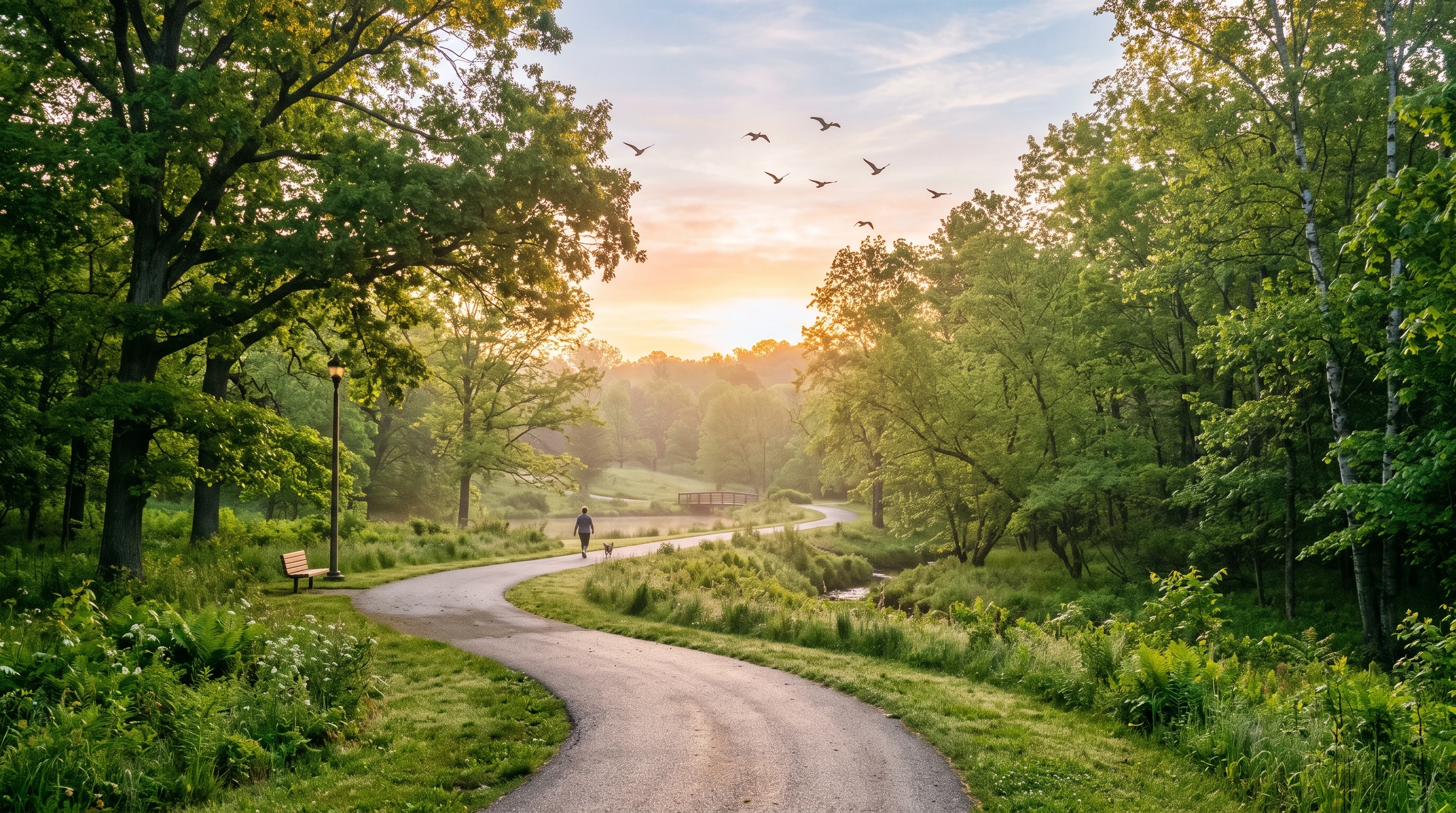
Walking is super simple and can make a big difference for heart health, joint flexibility, and mood. It’s easy to fit into your routine and you control the pace. Gentle walks around the neighborhood, in a local park, or even at the mall are great options that can break up your day.
Tips for Walking:
- Wear good, supportive shoes to protect your feet.
- Start with short walks; try 10 minutes and add a few minutes each week if you can.
- Don’t worry about speed, just focus on enjoying the movement and scenery.
If you use a walker or cane, keep it close by for support and safety as you stroll. Walking with a friend or a pet can also boost motivation and enjoyment.
2. Chair Exercises: Movement Without the Strain
Chair exercises are perfect if you want extra stability. You can do lots of motions while sitting, like leg lifts, arm circles, or gentle twisting for your core. These moves help improve strength and flexibility without standing up the whole time.
- Try sitting tall and slowly lifting one leg at a time, holding for a few seconds before switching.
- Add gentle bicep curls with light hand weights or water bottles for more of a challenge.
Chair routines are good for those with balance concerns, and they’re easy to adjust as you get stronger. You can even watch a favorite TV show while exercising to make it enjoyable. Try adding in toe taps or reaching overhead to mix things up.
3. Water Aerobics: Exercise With Added Comfort
Working out in water takes pressure off your joints, so it’s comfortable even if you have arthritis or mobility issues. Water aerobics classes are usually found at rec centers or local pools, or you can simply walk or march in the shallow end on your own. This type of exercise is popular among seniors for its gentle, effective approach.
Why water workouts are worth trying:
- The resistance of water helps build strength and balance in a gentle way.
- Exercising in water keeps you cool and makes it easier to avoid injury.
- It’s a social way to stay active if you join a group class, leading to new friendships.
Always check the pool temperature and enter slowly to give your body time to adjust. Consider wearing water shoes for extra grip on slippery surfaces.
4. Yoga: Flexibility and Mindful Movement
Yoga improves balance, flexibility, strength, and can even help calm your mind. Chair yoga or gentle mat yoga both work for beginners. Look for classes labeled “gentle” or “senior.” Many community centers offer these, or you can find online videos to follow at home and move at your pace.
Key moves like gentle twists, seated forward bends, and ankle circles are easy on the joints and improve your range of motion. Over time, you may find that your posture and breathing improve as well.
- Always listen to your body. If a pose feels uncomfortable, skip it or modify it as needed.
- Props like yoga blocks or a folded towel can make moves easier and more accessible.
Yoga can also introduce relaxation techniques that help with stress or trouble sleeping. Try a brief meditation or guided breathing session to support your overall wellbeing.
5. Resistance Band Training: Gentle Strength Work
Resistance bands are stretchy, lightweight, and perfect for strength exercises at home. You can use them for gentle bicep curls, seated rows, or leg presses while sitting on a chair. Bands help build and tone muscles, which is really important for staying mobile and independent longer.
Choose a band with light resistance to start, and increase slowly as you get stronger. Try two sets of 10 reps to begin with and see how you feel. You can target your chest, back, and legs with simple band routines; check out senior workout videos for inspiration.
If your hands are sensitive, opt for bands with easy grip handles. Always check that your band is not worn or about to snap before using.
6. Cycling: Smooth Cardio Without the Joint Stress
Riding a stationary bike or a traditional bike on flat ground is gentle on knees and hips. It boosts cardio health while building steady leg strength. Stationary bikes are great for balance, so that’s a safe way to start if you’re worried about falling. Many gyms and senior centers have recumbent bikes for extra comfort and support.
Tips for safe cycling:
- Adjust the seat and handlebars so your legs move smoothly and comfortably without overstretching.
- Start with short rides, maybe 5 to 10 minutes, and see how your joints respond over time.
- Always use any safety supports your machine offers and avoid overexerting yourself.
Cycling with a group or on scenic trails can make the activity more fun and keep you committed. Track your progress by noting how long or far you ride each week for motivation.
7. Tai Chi: Balance, Coordination, and Calm
Tai chi uses slow, controlled movements to boost balance, posture, and focus. The gentle, flowing motions are easy on joints and don’t require fancy gear. Regular practice has been shown to help reduce falls and build core strength in older adults. It also brings a sense of relaxation and mental clarity.
- Join a beginner class in your area or try a video at home to get started without pressure.
- All you need is comfortable clothes and a small open space, either indoors or outdoors.
If you’re new to tai chi, pick a quiet spot to help you focus. Attending classes may offer additional encouragement and guidance from instructors familiar with senior needs.
8. Stretching Routines: Staying Flexible
Regular stretching keeps muscles long, improves circulation, and helps you move more easily through daily activities. You can do gentle neck rolls, shoulder shrugs, calf stretches, and hamstring stretches on a mat or even standing next to a wall for support. Stretching is a quick way to feel better and stay limber.
- Don’t bounce; move slowly and hold each stretch for 10 to 20 seconds so you feel the release.
- Stretch daily, especially after activity when your muscles are warm and relaxed.
Adding breathing deeply as you stretch can help your muscles relax more. Mix up different stretches to keep your routine interesting and wellrounded.
9. Balance Exercises: Preventing Falls
Balance gets more important as you age since it helps you stay steady and lowers risk of falls. Easy balance exercises include standing on one foot, heeltotoe walking, or gentle marching in place. Use a sturdy chair or counter for support when starting out.
Try balancing for five seconds at a time and add more time as you become more confident. Move slowly and have something nearby to hold onto if needed. Improving your balance can add confidence in daily movements like getting dressed or reaching for items on a shelf.
Balance can be practiced anytime – even brushing your teeth while standing on one leg can give your routine a boost!
10. Light Dancing: Movement That Feels Fun
Low impact dance is a great way to boost your mood, enjoy some music, and work out without it feeling like a chore. Slow ballroom steps, line dancing, or even freestyle movement in your living room all count and can be done at your own pace.
- Focus on slow, smooth steps to reduce strain while having a good time.
- Dancing in socks on a carpet or nonslip shoes helps avoid slips or falls.
- There are lots of senior dance classes available at community centers or online, making it easy to join in.
Invite a friend or family member to join you—dancing together can make it more fun and keep you motivated. Choose music you enjoy and let yourself move freely to reap both physical and mental health benefits.
Safety Tips For Getting Started
Before starting any new exercise, it’s a good idea to check in with your doctor, especially if you have new or ongoing health concerns. Wear comfortable clothes, drink plenty of water, and keep moves gentle to avoid injury. Start slow and listen to how your body feels, especially if you’re out of practice. Building a routine is about consistency, not speed or intensity, and celebrating the small wins keeps you going.
Final Thoughts
Low impact exercises play a big part in staying mobile, independent, and feeling good as you age. Even a few minutes a day adds up, and it’s never too late to start moving more. These activities make staying active accessible, whether you’re at home, outside, or in a group. Take your time, find what feels best, and celebrate every bit of progress you make. Remember, adding movement to your day not only supports physical health but can also improve mood and social connections, making everyday life feel brighter and more fulfilling.